Top Private Banks Like HDFC, Kotak See Thinner Profit Margins in June Quarter
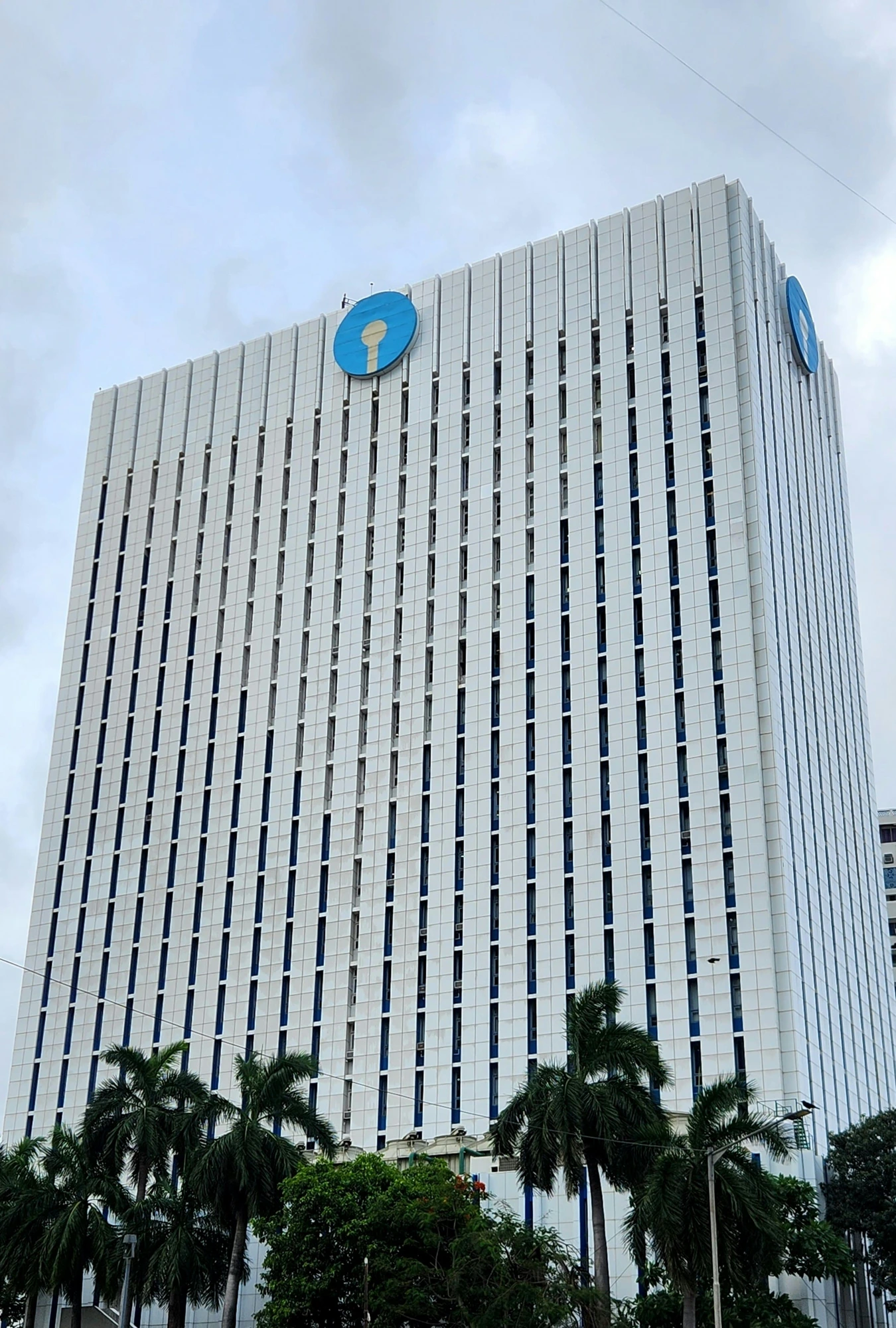
Source: Economictimes
Arth Insight · What this means for your wallet
- Major private banks reported lower core lending profits (NIMs) in the June quarter.
- HDFC Bank, Kotak Mahindra Bank (at a 19-quarter low), and Axis Bank were affected.
- The decline is linked to weaker retail loan demand, pushing banks into less profitable corporate lending.
Wealth-Impact Simulator
See how a change in interest rates hits your loan EMI.
Indicative estimate for education only — not investment advice.
Compare loan ratesIndia's leading private sector banks, including HDFC Bank, Kotak Mahindra Bank, and Axis Bank, reported reduced net interest margins (NIMs) for the April-June 2023 quarter. This dip in profitability from core lending activities is primarily due to weaker demand for retail loans, pushing banks towards less profitable corporate lending.
- ▸Major private banks reported lower core lending profits (NIMs) in the June quarter.
- ▸HDFC Bank, Kotak Mahindra Bank (at a 19-quarter low), and Axis Bank were affected.
- ▸The decline is linked to weaker retail loan demand, pushing banks into less profitable corporate lending.
- ▸This trend could influence future loan rates or bank stock performance.
- ✓Major private banks reported lower core lending profits (NIMs) in the June quarter.
- ✓HDFC Bank, Kotak Mahindra Bank (at a 19-quarter low), and Axis Bank were affected.
- ✓The decline is linked to weaker retail loan demand, pushing banks into less profitable corporate lending.
- ✓This trend could influence future loan rates or bank stock performance.
Major private sector banks in India witnessed a notable decline in their net interest margins (NIMs) during the June quarter of the current financial year. This trend signals reduced profitability from their primary business of lending, impacting prominent names like HDFC Bank, Kotak Mahindra Bank, and Axis Bank.
What are Net Interest Margins (NIMs)?
Net Interest Margin (NIM) is a key indicator of a bank's profitability. It represents the difference between the interest income a bank earns from its loans and investments, and the interest it pays out on deposits and other borrowings. A higher NIM generally indicates better profitability, as it means the bank is earning more from its lending than it is paying for its funds.
Key Figures from Q1 FY24
During the April to June 2023 quarter, several top private banks reported specific figures:
- HDFC Bank: Its Net Interest Margin (NIM) fell to 3.26%.
- Kotak Mahindra Bank: Reported a NIM of 4.53%, marking a 19-quarter low for the bank.
- Axis Bank: Its NIM stood at 3.46%.
These figures highlight a shared challenge across the sector in maintaining robust margins.
Why are NIMs Falling?
The primary reason cited for the thinner margins is a slowdown in retail loan demand. Retail loans, such as personal loans, home loans, and car loans, typically carry higher interest rates and are more profitable for banks. When demand for these loans is sluggish, banks often shift their focus towards corporate loans.
Corporate loans, while essential for economic growth, usually come with lower interest rates due to larger loan sizes and competitive pressures. This shift towards lower-yielding corporate loans directly contributes to a reduction in the overall net interest margin for banks.
Impact on the Banking Sector and Customers
For the banking sector, sustained lower NIMs can affect overall profitability, potentially influencing dividend payouts, stock performance, and even future lending strategies. While this doesn't immediately translate to direct changes for individual customers, it's a trend that can influence interest rates on future loans or deposits.
Banks might look for ways to optimize their asset books or introduce new products to improve their margins in the coming quarters. This could mean adjustments in deposit rates to attract more funds or a renewed push for specific retail loan segments when demand picks up.
As the Indian economy navigates various global and domestic factors, the performance of the banking sector, particularly its core profitability metrics like NIM, remains a crucial indicator for financial observers and ordinary citizens alike.
This report is for informational purposes only and not financial or investment advice.
Community Pulse · This story
How readers rate the outlook after reading this article. Anonymous · one vote per reader · updates live.
Interest rates, fees and eligibility for banking products are set by the respective banks and change frequently — verify the current terms with the provider before applying. Some listings may be sponsored. Not financial advice.
Frequently Asked Questions
What is Net Interest Margin (NIM)?
Net Interest Margin (NIM) is a key measure of a bank's profitability, showing the difference between the interest it earns from loans and investments and the interest it pays on deposits. A higher NIM means the bank is earning more from its core lending activities.
Why did private banks see lower NIMs in the June quarter?
Private banks experienced lower NIMs primarily because of sluggish demand for higher-yielding retail loans. This pushed them towards offering more corporate loans, which typically carry lower interest rates, thereby reducing their overall profit margin from lending.
How might this trend affect me as a bank customer or investor?
While not an immediate direct impact, lower bank profitability could potentially influence future changes in interest rates offered on loans or deposits. For investors, it signals a challenge to bank earnings, which could affect their stock performance.
Join the Arth Vani channels
Daily news summaries, IPO & market alerts on Telegram and WhatsApp.
Because you read about Banking

Kotak Mahindra Bank Secures ₹5,000 Crore ($600M) Overseas Loan from HSBC, CTBC Bank
Kotak Mahindra Bank is set to raise $600 million (approximately ₹5,000 crore) through an overseas loan from HSBC and CTBC Bank. This strategic move aims to attract foreign currency into India, likely to support Foreign Currency Non-Resident (Bank) deposits, leveraging a special swap facility provided by the Reserve Bank of India.

Kotak Mahindra Bank Secures $600 Million (₹4,980 Crore) Foreign Loan to Boost Dollar Inflow
Kotak Mahindra Bank has arranged a $600 million (approximately ₹4,980 crore) loan from HSBC and CTBC Bank. This foreign currency facility aims to attract dollars into India and support Non-Resident Indian (NRI) deposits, leveraging a special swap facility from the Reserve Bank of India (RBI).
IDFC FIRST Bank Targets 50 BPS Cut in Credit Costs to 1.5-1.6% This Fiscal Year
IDFC FIRST Bank aims to significantly reduce its credit costs to between 1.5% and 1.6% of its loan book for the current financial year. This target represents a 50 basis points (0.50%) reduction from the previous year's credit cost of 2.13%, signaling optimism about improving credit quality.
Related Stories
Kotak Mahindra Bank Secures ₹5,000 Crore ($600M) Overseas Loan from HSBC, CTBC Bank
Kotak Mahindra Bank is set to raise $600 million (approximately ₹5,000 crore) through an overseas loan from HSBC and CTBC Bank. This strategic move aims to attract foreign currency into India, likely to support Foreign Currency Non-Resident (Bank) deposits, leveraging a special swap facility provided by the Reserve Bank of India.
Kotak Mahindra Bank Secures $600 Million (₹4,980 Crore) Foreign Loan to Boost Dollar Inflow
Kotak Mahindra Bank has arranged a $600 million (approximately ₹4,980 crore) loan from HSBC and CTBC Bank. This foreign currency facility aims to attract dollars into India and support Non-Resident Indian (NRI) deposits, leveraging a special swap facility from the Reserve Bank of India (RBI).
IDFC FIRST Bank Targets 50 BPS Cut in Credit Costs to 1.5-1.6% This Fiscal Year
IDFC FIRST Bank aims to significantly reduce its credit costs to between 1.5% and 1.6% of its loan book for the current financial year. This target represents a 50 basis points (0.50%) reduction from the previous year's credit cost of 2.13%, signaling optimism about improving credit quality.

HDFC Bank Leads Credit Card Additions, SBI Cards and ICICI Bank Follow Closely
HDFC Bank added the most new credit cards in India, with 163,000 net additions, closely followed by SBI Cards with 162,000. ICICI Bank and Federal Bank also showed strong growth, indicating continued expansion in the Indian credit card market.